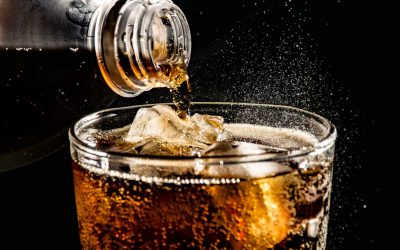
When you pour a pint, you’re not just serving beer — you’re serving an experience. The aroma, the bubbles, the creamy head, the mouthfeel, and even the aftertaste are all influenced by one crucial element that most customers will never see: beverage gases.
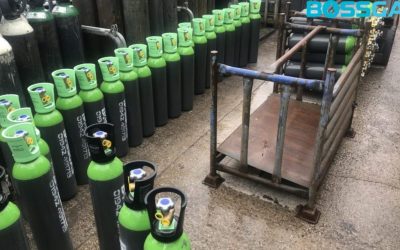
If you run a pub, bar, club, or restaurant in St Helens, understanding how gases work inside your draught system can help you deliver consistently better beer. As a leading supplier of beverage gases in St Helens, we ensure that local venues get the right CO₂ and mixed-gas blends to maintain perfect quality with every pour.
In this blog, we break down how beverage gases directly impact taste, foam, and freshness — and why the right gas supplier makes all the difference.
1. Taste: The Gas Behind the Flavour
Beer is a delicate product. The flavour can change dramatically depending on how the gas interacts with it.
CO₂: The Primary Flavour Carrier
CO₂ is the main gas used in beer dispense. It enhances taste by:
-
Adding carbonation
-
Lifting aromas to your nose
-
Providing a crisp and refreshing finish
-
Balancing sweetness with a slight acidity
Too little CO₂ makes beer taste flat and lifeless.
Too much CO₂ makes it sharp, fizzy, and unpleasant.
Using high-purity beverage gases ensures that no impurities affect the flavour. This is one reason pubs and bars choose our service for reliable beverage gases in St Helens — purity directly impacts taste.
Mixed Gas: Perfect for Smooth Pours
Many beers, especially stouts and ales, use mixed gas (Nitrogen + CO₂). Nitrogen creates:
-
Smoother mouthfeel
-
Creamier texture
-
More stable head retention
If you serve Guinness-style drinks or cask-style ales on tap, the wrong gas ratio will completely change the taste profile.
2. Foam (Head): The Make-or-Break of a Good Pint
The head on a beer is more than just visual appeal — it actually protects the flavour and aroma.
How Gas Affects Foam Quality
The type of gas and pressure settings determine:
-
The height of the foam
-
The creaminess of the head
-
How long the head lasts
-
Whether foam collapses too quickly
Nitrogen produces small, fine bubbles that create a thick, creamy head (perfect for stouts).
CO₂ produces larger bubbles for crisp, fizzy beers (ideal for lagers).
Bars in St Helens often notice that foam issues — such as big bubbles, collapsing head, or excessive froth — usually come from incorrect gas blends or low-quality cylinders. That’s why many switch to Boss Gas for dependable beverage gases St Helens pubs rely on.
3. Freshness: Keeping Beer at Its Best
Freshness is essential, especially for high-volume venues in busy hospitality areas.
How Gases Keep Beer Fresh
Correct gas blends help:
-
Maintain carbonation inside the keg
-
Prevent oxidation (which causes beer to go stale)
-
Stop unwanted flavours from developing
-
Extend the beer’s shelf life once tapped
If your gas contains impurities or bacteria, it can contaminate the beer lines and affect the freshness rapidly.
Boss Gas supplies food-grade beverage gases in St Helens, ensuring that your beer stays fresher for longer and tastes exactly as the brewer intended.
Common Problems Caused by Wrong Gas or Poor Gas Quality
Bars and restaurants often experience the following issues when using the wrong beverage gases:
-
Flat beer with no bubbles
-
Over-fizzy or “soda-like” beer
-
Harsh or metallic aftertaste
-
Frothy pints that overflow
-
Weak, collapsing foam
-
Beer going stale quickly
-
Off-flavours from impure gas
If you recognise any of these issues, the problem might not be the beer — it might be the gas.
Pressure & Ratio: The Hidden Heroes
Every beer style needs specific pressure and gas ratios. For example:
| Beer Style | Recommended Gas Type | Why? |
|---|---|---|
| Lager | 100% CO₂ | Crisp and bubbly texture |
| Ales | Mixed Gas (30/70) | Balanced carbonation, smoother mouthfeel |
| Stouts & Nitro Beers | 100% Nitrogen or 30/70 Mix | Creamy head, velvety texture |
Using the wrong gas mix will dramatically change taste, carbonation, and foam.
We offers expert guidance to pubs, clubs, and home bars needing the correct beverage gases in St Helens, ensuring every pint flows exactly as it should.
Why Choose Boss Gas for Beverage Gases in St Helens?
Boss Gas has been supplying the hospitality industry for years, helping venues maintain consistent beer quality with every keg change. Here’s why local businesses rely on them:
✔ Food-grade CO₂ & mixed gas
Guaranteed purity for perfect taste and safety.
✔ Fast delivery across St Helens & surrounding areas
Ideal for busy pubs that can’t afford downtime.
✔ Expert advice on gas blends
Helping you serve beer exactly as the brewer intended.
✔ Reliable cylinders & safe equipment
Avoid leaks, pressure issues, and contamination.
✔ Great for pubs, bars, breweries & home bars
Whether big or small, every venue gets premium service.
If taste, foam, freshness, or quality matter to your business — the right supplier makes all the difference.
Final Thoughts
Beverage gases are the silent force behind every perfect pint. They control:
-
The flavour
-
The level of carbonation
-
The foam and head retention
-
The freshness and shelf life
If your beer quality varies, the first thing to check is the gas — not the keg.
With high-purity beverage gases, Boss Beverage Gases Ltd helps local pubs and bars pour premium-quality beer every time. The right gas isn’t just a technical requirement — it’s the key to customer satisfaction.