Whenever you take a sip of a fizzy drink or enjoy a perfectly poured pint, you are also experiencing the taste of the beverage that controls the bubbles and of the drink’s fizziness. The science behind carbonation plays an important role in determining the taste, texture, and mouthfeel of any beverage.
Behind a refreshing drink is a combination of CO2 or nitrogen that gives it a velvety texture. For beverage gases in Warrington, get in touch with reputed suppliers. They supply the best quality beverage gases.
What is carbonation?
Carbonation is the process by which carbon dioxide is dissolved in a liquid under pressure. When the pressure is released, the dissolved gas escapes in the form of bubbles. When you open the bottle of the beverage, you will see bubbles escaping from the drink. These bubbles give a lively texture and a crisp taste to drink.
However, carbonation is not limited to making fizzy. It also affects the aroma of the drink. The higher the amount of CO2 present in the drink, the more refreshing it will feel inside the mouth. On the other hand, low carbon levels make the drink smooth and gentle.
Why is CO2 the backbone of most of the beverages?
Most carbonated drinks, ranging from soft drinks to hard drinks, use food-grade CO2 to enhance acidity and give the beverage a bright taste. The proper CO2 level lifts the aroma as soon as the bubbles rise and burst at the surface of the drink. The CO2 level in a drink should be exact. Too much CO2 will create harshness in the drink’s texture. He, a reputable beverage gas supplier, places importance on gas purity and proper pressure control.
Effects of nitrogen on the drinks
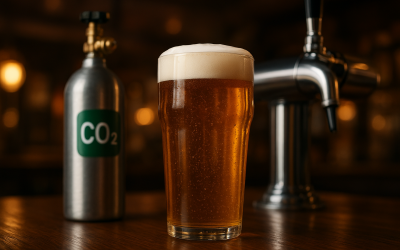
Along with CO2, nitrogen is also present in the beverages. The gas is famous for giving drinks a smooth texture. However, the behaviour of nitrogen is different from that of CO2. This gas doesn’t dissolve easily in the liquid. Moreover, it produces very tiny bubbles and creates a velvety texture over the drink. Depending on the type of beer, a mixture of nitrogen and CO2 is used in pubs as the common beverage, depending on the type of beer.
How do the gases influence the taste and the aroma of the drinks?
The correct carbonation process is responsible for the aroma and flavour of the drinks. CO2 improves the perception of acidity and bitterness in the drink, while nitrogen enhances sweetness and creaminess and creates a velvety texture. A combination of these two gases plays a major role in creating different tastes within the same types of beer.
Why does the beverage gas quality matter?
To ensure a perfect taste in the beverage, high-quality beverage gases are used. Impure or unsuitable gases completely alter the taste of the beverage. Hence, quality plays an important role, as it affects the beverage’s carbonation level. If the gases are not mixed in the correct quantity, it can compromise the safety of the drink and the person consuming it. Thus, bars, restaurants, and breweries rely on reputable gas suppliers to ensure a consistent gas supply over time.
Boss Gas is well-known for prompt gas delivery. We deliver and dispense gas and helium. For prompt and efficient deliveries, get in touch with Boss Gas.