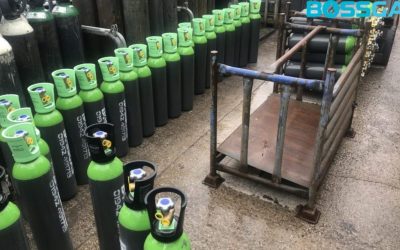
Do you run a beverage-packing industry and receive frequent bad reviews from clients despite using high-grade materials and following best practices? The beverage gas quality might be the real issue. Whether it is carbon dioxide used for carbonation, nitrogen used for texture enhancement, or other gases used during packaging, the quality of beverage gases in Southport directly affects the quality of the deliverables. These gases control the drink’s purity and shelf life. Understanding how these gases can enhance quality and shelf life, and maximise the standard of your deliverables, is crucial.
How do the Beverage Gases Control the Quality of Drinks?
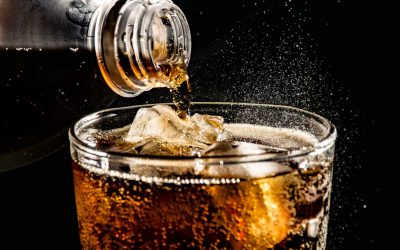
Beverage gases are used at different stages of drink preparation and packaging. They include carbonation, packaging, preservation, and dispensing. For example, carbon dioxide is used to create the fizz in drinks like Coca-Cola and beer. In stout drinks, nitrogen is used to smooth out the beer and ensure a creamy texture.
However, for the desired quality, the beverage gases in Southport play a crucial role as they come in direct contact with the drink. Low-quality gases can contain impurities that affect the drink’s taste. It also lowers aroma, stability, and appearance. Therefore, use only food-grade gases. These high-quality beverage gases ensure that the drink remains safe, fresh, and enjoyable for consumers.
How Does Low-Quality Beverage Gas Lower the Appearance and Presentation of a Drink?
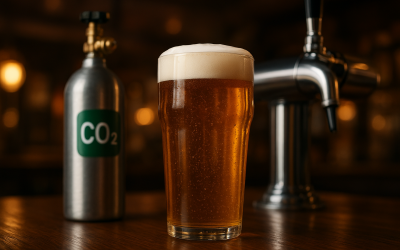
Do you like the bubbles in your beer when it gets served in a glass? The answer must be yes, as most consumers like it. The drink’s fizz and appearance largely shape clients’ perception.
The appearance of a beverage influences how customers perceive its quality. Nevertheless, poor-quality gas fails to create the right fizz, resulting in inconsistent bubbling and changing appearance.
This can affect the overall image of the hospitality outlet, as the quality of gas dispensing is equally important for draught beverages. The right mixture of gases helps maintain the right pressure. It also helps prevent excessive foaming and maintains consistency in every serving.
How to Handle This Issue?
Handling this issue is simple: switch to a reputable beverage gas supplier. Reputable gas suppliers in Southport supply only food-grade beverage gases suitable for food and beverage applications. These renowned suppliers swear by the highest quality and on-time delivery, and will guide you on storage and other factors that can affect quality. This expert guidance and thorough assistance help you navigate the challenges and provide the best for clients.
Beverage gases are often overlooked in production operations. However, they play a crucial role in ensuring the quality and shelf life of drinks. As the owner of an ion unit business, a single informed step can help you build long-lasting client relationships and a strong brand image.
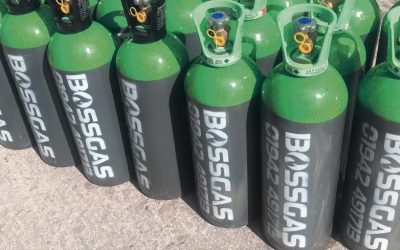
If you are wondering where to find a reliable supplier, we have your back. Connect with us at Boss Gas. We have been providing bottled and beverage gases for years now and take pride in delivering the best.
Buy beverage gas now.
FAQs:
Does poor beverage gas affect the drink quality?
Yes, poor-quality beverage gas degrades the beverage’s appearance and overall quality. This also reduces customer experience.
Which gases are commonly used in the beverage industry?
Carbon dioxide and nitrogen are the most commonly used gases in the beverage industry.
Here to get food-grade beverage gas?
Reliable vendors such as Boss Gas sell food-grade beverage gas. You can get it from them.