Whether you’re drinking a cold pint of beer, a fizzy soda, or bubbly water, one thing makes them impossible to resist: carbonation. Behind the lovely bubbles lies a universe of interesting science driven by beverage gases. Understanding how beverage gases work is key to providing the best beverages for your patrons if you’re in the hospitality business. This blog will explain the science behind carbonation and how beverage gases in Southport are helping businesses serve the perfect pour every time.
Understanding the Importance of Perfect Carbonation
What Is Carbonation?
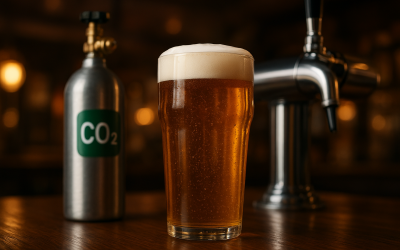
Carbonation is dissolved carbon dioxide (CO₂) gas in a liquid under tremendous pressure. As you release the pressure by opening a can or pouring a drink, the gas is released as bubbles, making the drink fizzy. Beverage systems utilise controlled and sustained carbonation using beverage-quality CO₂ to maintain consistent taste, texture, and appearance. Restaurants, pubs, cafés, and bars depend on accurate carbonation. It helps them keep beverages fresh and satisfy their customers’ thirst. Local food-grade CO₂ suppliers effectively support such establishments to serve that ideal fizz.
How CO₂ Increases Flavour and Mouthfeel?
Carbonation is not only about bubbles. It is significantly responsible for how a beverage feels and tastes. In soft drinks, CO₂ provides acidity, which counterbalances sweetness and increases flavour. In beer, carbonation content influences the head, mouthfeel, and even aroma. Fine bubbles in sparkling waters or wines provide a crisp, clean finish. Achieving the correct amount of CO₂ is essential. Only an experienced, local beverage gas specialist can implement systems calibrated to suit the exact needs of your beverage menu.
Nitrogen vs CO₂: What’s the Difference?
Though CO₂ is the reigning champion of carbonation, other gases such as nitrogen (N₂) are rising, especially in craft beer and cold-brew coffee. Nitrogen creates smaller, smoother bubbles, which result in a creamy consistency and reduced acidity. That makes it perfect for nitro beers, cold-brew coffee on tap, and speciality cocktails. Local businesses increasingly employ a mixture of gases—known as “beer gas”—to create certain effects in beverages. Consult an experienced beverage gas supplier for guidance on the proper proportion for your product.
The Importance of Beverage-Grade Gases
Not all gases are equal. It’s important to employ beverage-grade gases that comply with food safety guidelines. These gases are filtered and purified so as not to contaminate or impart off-flavours. Inappropriate gas quality can change the flavour of the beverage. It can also create equipment problems and affect present health and safety hazards. This is why only top-rated suppliers of beverage gases work with certified food-grade CO₂ and nitrogen. As a business owner, it will offer you security and give customers the best experience possible.
Get the Fizz Right with Local Expertise
Carbonation is a science and an art that begins with the correct gases. Whether you’re a pub, café, or bar owner, working with a reputable supplier for beverage gases in Southport can help you serve consistently. From CO₂ to nitrogen, knowing how beverage gases function enables you to customise your customers’ experience and transform your drinks menu. Are you looking to partner with someone trusted in this sector? You will hardly find someone better than Boss Gas.